Florida & Coastal
Stainless Steel Rollers in Florida: When They Make Sense
Florida is hard on moving metal parts. Humidity, wind-driven rain and salt in coastal air can accelerate corrosion, especially when a patio door is close to the ocean.
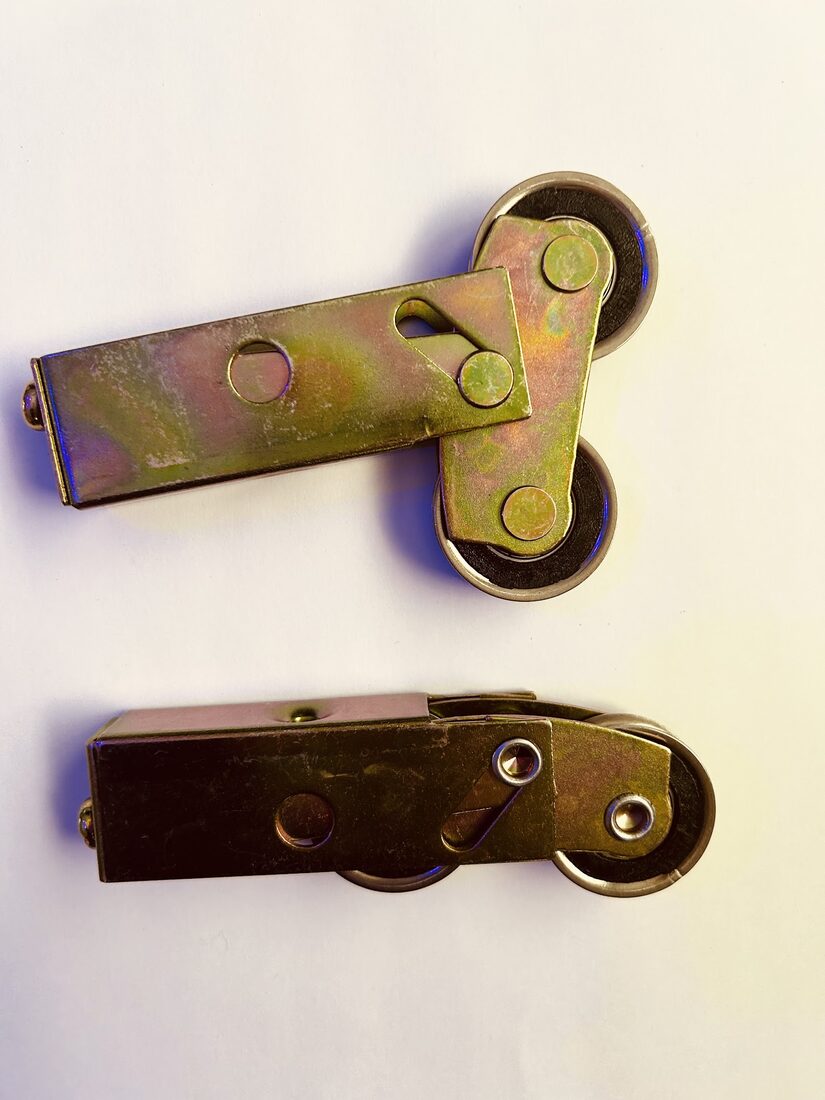
That is why stainless components are often part of the conversation during roller replacement. Stainless steel can offer better corrosion resistance than ordinary steel, but the words “stainless roller” do not tell the whole story. Bearings, axles, housings, fasteners and the track environment all matter.
A high-quality roller that is wrong for the panel is still the wrong roller. We first match dimensions, wheel profile, adjustment range and load. Then we consider materials appropriate to the environment and the door.
We also inspect the track. Putting corrosion-resistant rollers on a deeply pitted or damaged track does not solve the complete problem.
This matters most in coastal communities such as Jacksonville Beach, Ponte Vedra Beach, Fernandina Beach and St. Augustine. Inland homes can have corrosion too, but salt exposure raises the stakes.
The best hardware choice is the one that fits the door, carries the load and makes sense for the environment in which the door actually lives.
What we look at before recommending a repair
A useful diagnosis starts with the complete moving system. We operate the panel through its full travel and pay attention to where resistance begins, whether the resistance changes as the door moves, whether the panel rocks, and whether lifting slightly on the handle changes the way it rolls. Those details help separate a wheel or bearing problem from a damaged running surface or an alignment issue.
Next comes the lower track. We look for dents, flattened areas, pitting, corrosion, raised edges and evidence that metal has been dragging instead of rolling. We also look at the panel height and the gaps around the frame. If one side is sitting lower, that can affect the lock and weather contact even when the lock itself is still functional.
When the roller assembly has to come out, identification becomes much more precise. Housing length, width and height, wheel diameter, wheel width, axle location, mounting style, adjustment-screw position and single-versus-tandem configuration can all matter. On a heavy panel, load capability matters as much as physical fit.
That is why we avoid diagnosing an older door from one exterior photo. A photograph can show the symptom; the hardware inside the bottom rail usually tells the rest of the story.
Why Northeast Florida changes the equation
The same door hardware can age differently depending on where it is installed. In Northeast Florida, lower tracks collect sand, pet hair and outdoor debris. Moisture can remain in channels after rain. Closer to the Atlantic, salt carried in the air adds another corrosion source for bearings, housings, fasteners, adjustment mechanisms and exposed track surfaces.
Heavy impact-rated panels add a different kind of stress. A small amount of bearing deterioration is much more noticeable when the hardware is carrying a large glass panel. Once a wheel stops rotating correctly, continued use can transfer that load to the track and create a second problem.
This is why we do not use “Florida weather” as a vague explanation. We look for the physical evidence: corrosion, rough bearings, damaged running surfaces, debris, seized adjustments or changes in alignment. The environment can contribute to the failure, but the repair still has to address the failed component.
Stainless steel helps, but it is not the whole repair
Corrosion resistance is valuable near the coast, but “stainless” should not become a shortcut for compatibility. The wheel and bearing still need to carry the panel correctly, and the housing still has to fit the rail and adjustment system. A corrosion-resistant roller running on a badly pitted track will still have a rough life.
We also distinguish between the visible wheel and the complete assembly. Depending on the product, stainless steel may be used in the wheel, axle, bearing components, housing or only certain parts of the carriage. When evaluating replacement hardware, the complete construction and intended application matter more than a single material label.
Questions homeowners often ask
Can this problem usually be diagnosed without replacing the whole door?
Often, yes. The useful first step is identifying the failed component and checking the condition of the surrounding system. The age of the door by itself does not determine whether it is repairable.
Can you give an exact repair price from a photo?
Not reliably. Delta provides a free on-site estimate because roller type, track condition, panel weight, hidden hardware and secondary damage can change the scope of the repair.
Can the repair sometimes be completed during the same visit?
When the customer approves the estimate and the correct parts are available, many common repairs can be completed during the same visit. Unusual or discontinued hardware may require additional sourcing.
Should I keep using the door if it is grinding or becoming very heavy?
It is better to avoid forcing it. Continued use can turn a worn component into additional track, handle, lock or frame damage.
Need the door inspected?
Delta Sliding Doors provides free on-site estimates. We inspect the door in person, explain what is causing the problem, and provide the price before work begins. If you approve the estimate and the required parts are available, many repairs can be completed during the same visit.
Maintenance that makes sense in this climate
The lower track should be treated as a working surface, not a storage channel for sand and debris. Vacuuming and wiping it periodically is simple and useful. Watch for orange staining, white oxidation, pitting, standing water and adjustment screws that are becoming difficult to move.
Pay attention to changes rather than waiting for complete failure. A door that becomes noticeably heavier over several months is giving you useful warning. A new grinding sound, a repeating bump, a lock that suddenly requires lifting the panel, or metal shavings near the track are all reasons to inspect the moving system.
Coastal maintenance cannot make a wear component permanent, but it can reduce avoidable contamination and make developing problems easier to catch before one failed part damages another.
Why local context should not become a generic diagnosis
Not every Jacksonville-area door has salt damage, and not every coastal door needs stainless hardware. A home several blocks from the ocean can have a completely different exposure pattern from a protected inland patio. The repair still starts with the actual hardware in front of us.
That is why our local content is not a claim that every door in a ZIP code fails the same way. It explains the environmental factors we consider while still diagnosing each system individually.
Want it looked at in person?
Delta gives a free on-site estimate across Jacksonville & 75 miles around.